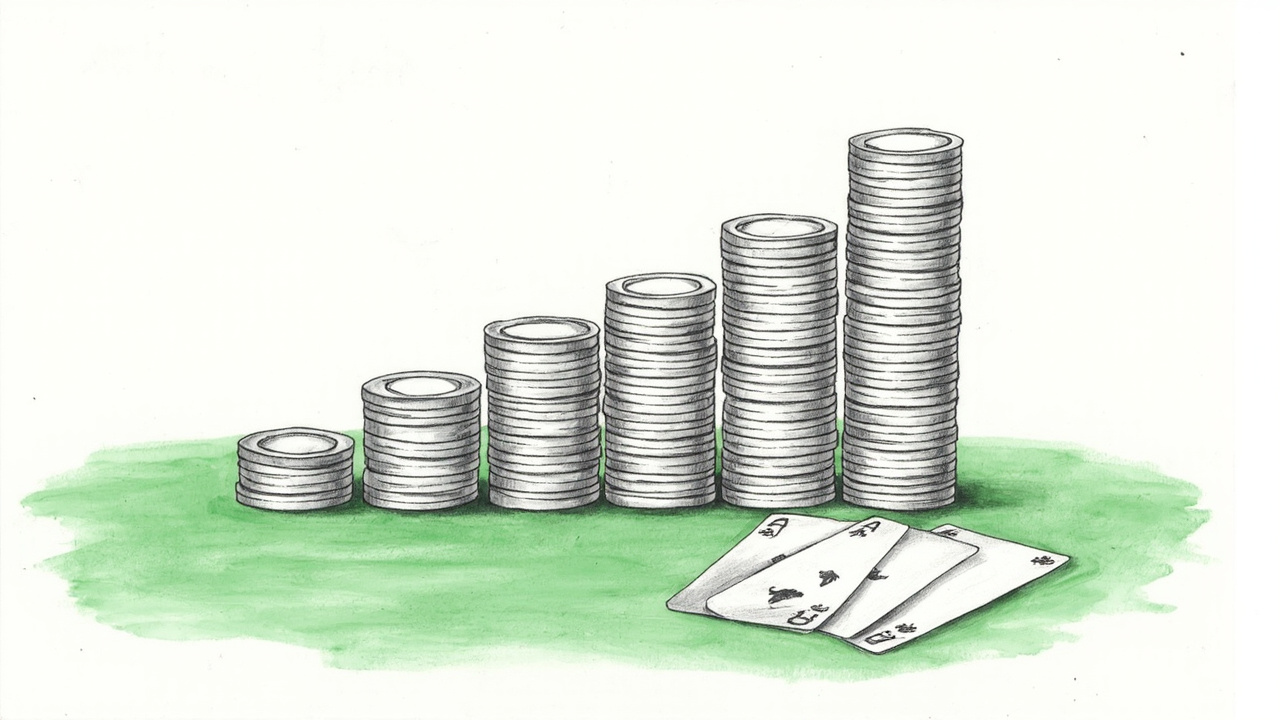
When I look at poker tournament payout structure from a clubhouse-cas1no.com operations perspective, the real test is how the money flows back to players once the cards are dealt. At Aruze Gaming Australia, we build machines that must hold up under scrutiny, and the same discipline applies here: a clear payout schedule tells you exactly where your stack stands before you even sit down. I reckon most punters in Geelong would rather know the prize pool splits upfront than chase a mystery bonus that never lands.
How Payouts Shape Your Tournament Choice

A solid poker tournament payout structure rewards consistency rather than just the final table heroics, which matters when you are grinding through a busy arvo session. At Clubhouse Casino, the prize ladder typically pays out across multiple positions, so a solid finish still puts cash back in your pocket even if you do not take first place. This mirrors how we design payout logic on our gaming floors: predictable returns keep players coming back instead of chasing one lucky spin. The Ancient Egyptians played a board game called Senet that may have involved betting, and the principle stays the same – people want to see a fair return for their time and chips. When you compare two events side by side, the one with a flatter, more generous early payout usually suits a regular player better than a top-heavy schedule that only pays the top three. I have seen suppliers pitch flashy top prizes that sound great on a flyer, but the actual distribution leaves most entries with nothing to show for the buy-in. A transparent schedule lets you weigh your buy-in against the realistic chance of a return, which is the kind of judgement call I make when we vet a new product for our venues.
Reading the Prize Ladder Before You Buy In
Before you lock in your buy-in, you want to read the prize ladder carefully so you know exactly where the money goes and how many players get paid. A typical poker tournament payout structure will list the percentage of the prize pool allocated to each finishing position, and that breakdown tells you whether the event favours short stacks or deep runs. Brain imaging shows near-misses light up win-related brain regions, which is why a tournament that pays out down to tenth place can feel more rewarding than one that only rewards the top five, even when the total pool is similar. I always tell our product team that clarity beats hype every time, because players who understand the ladder make sharper decisions about their table selection and stack management. If you are playing online, check whether the operator publishes the full distribution before the event starts, and look for a schedule that pays more than just the winner and runner-up. The best events I have run in Geelong had a clear chart on the registration page, so nobody was guessing where their chips would land if they hit a middle finish. That kind of openness is what separates a reputable operator from a flash-in-the-pan promotion that looks good for one weekend and disappears after.
Where Regular Players Actually Get Paid
The players who show up week after week are not chasing a life-changing jackpot, they are looking for a payout structure that puts something back in their account on a decent run. A flatter distribution that pays out across the top fifteen or twenty positions works better for a steady grinder than a schedule that concentrates everything on the final table. I have sat in on supplier meetings where the pitch was all about huge top prizes, but the reality for a regular entrant is that a mid-table payout keeps the game enjoyable and the bankroll alive. Liar’s dice combines dice with bluffing, and poker tournaments run on the same idea: you are reading the room as much as your cards, so a structure that rewards consistent play matters more than one that only hands out a big prize to the final hero. When I compare operators, I look for recurring promos and loyalty tiers that stack on top of the tournament payouts, because the real value after the welcome offer is what keeps a player returning to the same site. A site that runs weekly events with a clear prize split and a loyalty program that adds cashback or tournament credits is doing the right thing for its regulars. That is the kind of setup I would back for a Geelong local who wants to play properly without blowing the buy-in on a single bad beat.
Checking the Fine Print Before You Commit
Before you put any money down, you need to check the fine print on the tournament terms so you know how the payouts are calculated and what conditions apply to any bonus or loyalty reward. A clear poker tournament payout structure should spell out whether the prize pool is fixed or built from the buy-ins, how any rebuy money is treated, and whether there are any wagering requirements attached to tournament-generated bonuses. Grace McKenzie, iGaming Regulatory Consultant, Koala Digital Group, has pointed out that operators in regulated markets need to be explicit about how prize pools are distributed, because ambiguity around payouts is one of the first things a regulator looks at when assessing a product. I have seen enough supplier contracts to know that the operators who survive scrutiny are the ones who publish their payout rules in plain language and stick to them. If you are playing from Australia, remember that offshore casino play is not licensed or regulated here, so you are relying on the operator’s own published terms and reputation rather than local oversight. That means you should check the payment methods, the currency you are playing in, and how long withdrawals typically take before you commit to a buy-in. A site that makes its payout structure easy to find and its terms straightforward is usually the one worth your time, and that is the standard I apply when we evaluate any new product for our own floors.

- Read the published prize ladder before you register so you know exactly which positions get paid and what share of the pool each finish receives.
- Compare the payout distribution across a few events to see whether the schedule favours a deep run or a quick middle-table payout that suits your style.
- Check whether any bonus or loyalty credit attached to the tournament carries wagering requirements or time limits that could affect your withdrawal.
- Confirm the currency and payment method you will use for the buy-in and any potential payout so there are no surprises when you cash out.
- Look for recurring promos or a loyalty tier that adds value on top of the tournament payouts, since that is where the ongoing return usually sits.
The right poker tournament payout structure is the one that matches how you actually play and tells you plainly where your money goes when the event is over. I have spent enough time around gaming floors and supplier pitches to know that clarity and consistency beat a flashy top prize every time, and that is the standard I would apply to any tournament I put in front of a regular player. If you want to see how a clear payout schedule and a steady loyalty setup work in practice, you can check the event details at https://clubhouse-cas1no.com/ and judge for yourself whether the prize ladder suits your style.